Growing mushrooms in a bucket is one of the simplest and cheapest methods for beginners. It works especially well for fast-growing species like Oyster Mushroom.
🪣 What You Need
- 5-gallon plastic bucket with lid
- Drill (½–1 inch holes)
- Mushroom spawn (grain spawn)
- Straw or hardwood pellets
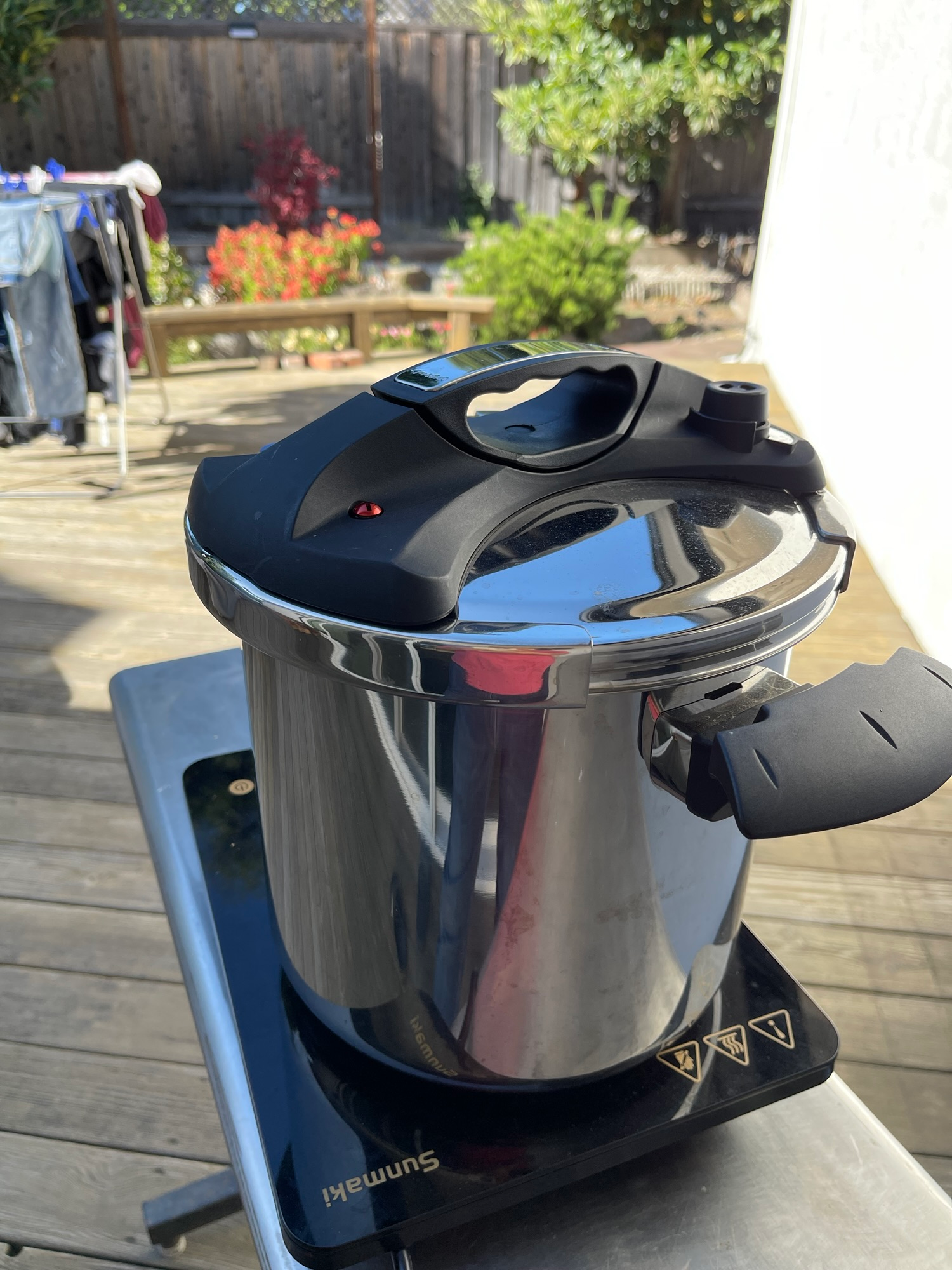
- Large pot or container for pasteurizing
- Clean water
Step 1: Drill Holes in the Bucket
Drill holes around the sides of the bucket.
Guidelines
- Hole size: ½–1 inch
- Space holes every 3–4 inches
- Make rows around the bucket
These holes allow the mushrooms to fruit out of the sides.
Step 2: Pasteurize the Substrate
Most bucket growers use straw because it’s cheap and easy.
Straw pasteurization
- Chop straw into 2–4 inch pieces.
- Pour hot water (160–170°F / 70–75°C) over it.
- Let soak for about 1 hour.
- Drain until damp but not dripping.
This kills most competing organisms like Trichoderma.
Step 3: Layer Spawn and Straw
Inside the bucket, add layers:
- Straw layer
- Mushroom spawn
- Straw layer
- Spawn
Repeat until the bucket is full.
Use about 10–20% spawn compared to the substrate.
Step 4: Let It Colonize
Put the lid on and store the bucket in a warm dark place.
Ideal conditions:
- Temperature: 65–75°F
- Time: 10–14 days
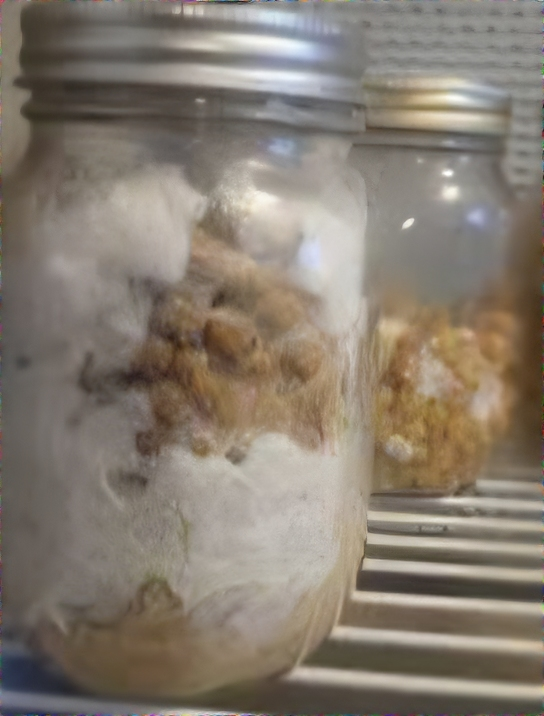
White mycelium will spread through the straw.
Step 5: Start Fruiting
Once the straw turns mostly white:
Move the bucket to a humid area with fresh air and light.
Good options:
- Bathroom
- Grow tent
- Shaded outdoor area
Mist the bucket 1–2 times per day.
Step 6: Harvest
Mushrooms will grow out of the holes in clusters.
Harvest when:
- Caps are fully formed
- Edges are just starting to flatten
Twist the cluster off gently.
Expected Yield
From one 5-gallon bucket you can usually get:
- 2–4 pounds of mushrooms
- 2–3 flushes over several weeks
Common Beginner Mistakes
- Too wet substrate (causes mold)
- Not enough spawn
- Poor airflow
- Holes drilled too small
💡 Pro Tip:
Blue or pink varieties of Oyster Mushroom are the fastest colonizers, which helps them outcompete contamination.