Taking a piece of a mushroom and “cloning” it onto agar is one of the most rewarding skills in mycology. It’s essentially bypassing the genetic lottery of spores to get a carbon copy of a mushroom you already know is a winner.
The sterile technique here is going to be your make-or-break factor.
🧫 The Preparation
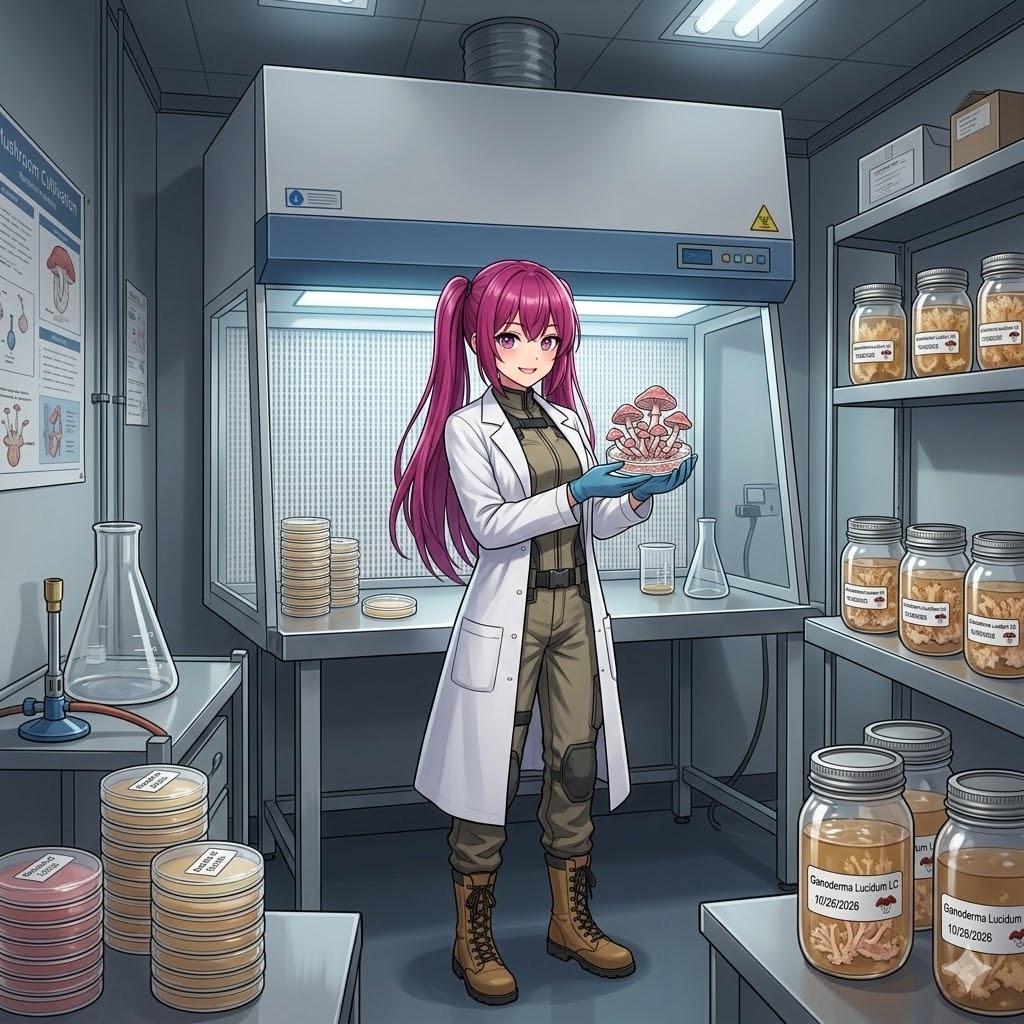
Before you start, ensure you have a “Still Air Box” (SAB) or a Flow Hood. Doing this in open air is almost a guaranteed fail.What you’ll need:
* A fresh mushroom: Pick your healthiest, fastest-growing specimen.
* Agar plates: Malt Extract Agar (MEA) or Potato Dextrose Agar (PDA) are standard.
* Scalpel: Ideally with replaceable #11 blades.
* Isopropyl Alcohol (70%): Higher concentrations (90%+) evaporate too fast to kill bacteria effectively.
* Flame source: A butane torch or alcohol lamp.
🔪 The Step-by-Step Process
* Sanitize Everything: Clean your workspace and the outside of the mushroom with 70% alcohol. Wear gloves and a mask.
* The “Split” (Crucial): Do not slice the mushroom open with a knife. Slicing carries bacteria from the dirty outer skin into the clean center. Instead, use your hands to rip the mushroom in half lengthwise. This exposes the sterile internal tissue.
* Flame the Blade: Heat your scalpel until it glows red. Let it cool for 10–15 seconds (or tap a corner of the agar to cool it instantly).
* The Extraction: Using the tip of the sterile scalpel, carve out a tiny 2–3mm cube of tissue from the center of the stem (near where it meets the cap is usually best).
> Tip: You only need a tiny piece. Bigger isn’t better; it just increases the risk of bringing hitchhiking bacteria along.
* The Transfer: Quickly lift the lid of your agar plate just enough to drop the tissue in the center, then close it immediately.
* Seal it up: Use Parafilm or grafting tape to seal the edge of the petri dish.
🔬 What to Watch ForKeep your plates at room temperature (around 21–24°C) and out of direct sunlight.
* Day 3-5: You should see tiny white “fuzz” (hyphae) reaching out from the tissue onto the agar.
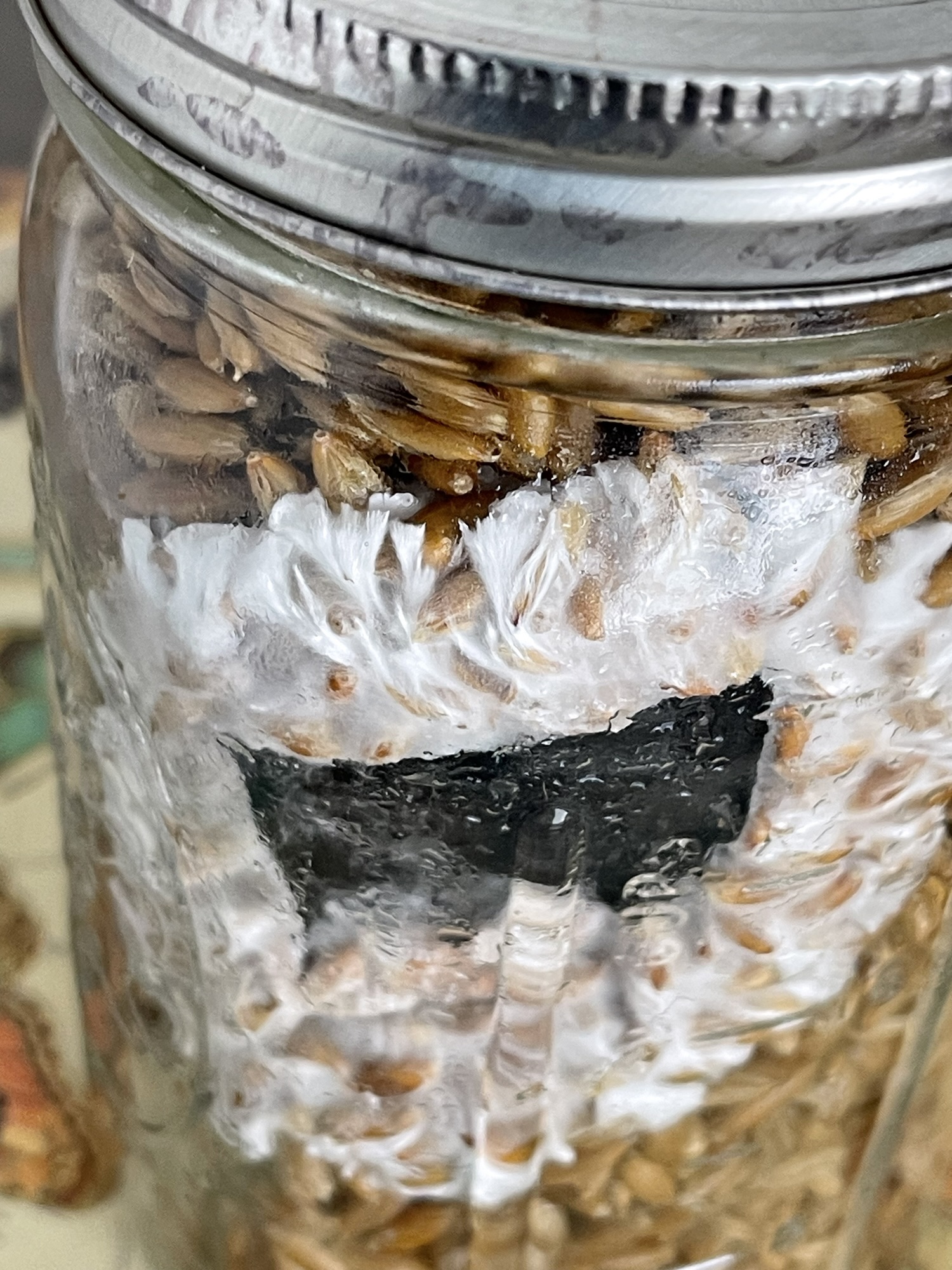
* The Red Flags: If you see any colors (green, black, yellow) or if the tissue turns into a “puddle” or smells sour, it’s contaminated.
* The Goal: Once the mycelium covers about half the plate, “transfer” a clean wedge of that growth to a new agar plate. This ensures you have a 100% pure culture before moving to grain.💡 Pro-Tip for Success
If you are cloning a mushroom bought from a grocery store, it might be a bit dry. You can try soaking the mushroom in a 10% hydrogen peroxide solution for 30 seconds before ripping it open to further lower the bacterial load on the skin.